





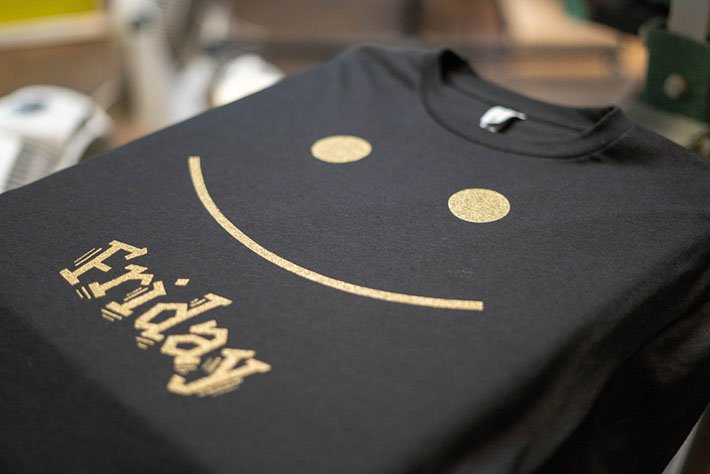
Screen printed t-shirts are more than just fashion staples—they are bold expressions of creativity, powerful marketing tools, and essential components of modern branding. Whether used for personal wear, promotional events, merchandise, or team identity, screen printing remains one of the most popular and durable methods for decorating t-shirts with custom designs.
In this detailed guide, we’ll explore the history, benefits, process, use cases, and tips surrounding screen printed t-shirts, helping you understand why they remain a top choice for individuals, businesses, and organizations worldwide.
What Are Screen Printed T-Shirts?
Screen printing, also known as silkscreen printing, is a technique that uses a mesh screen, ink, and a squeegee to transfer a design onto fabric. Each color in the design is applied using a separate stencil or “screen,” making it ideal for vibrant, high-quality prints.
Screen printed t-shirts are shirts that feature these designs—crafted through a meticulous layering process that results in long-lasting, eye-catching graphics.
Why Choose Screen Printed T-Shirts?
1. Durability That Lasts
The ink used in screen printing penetrates deep into the fabric, creating designs that withstand repeated washes and remain vivid over time. Unlike heat transfer or digital prints that can fade or peel, screen printed t-shirts hold up for years.
2. Superior Color Vibrancy
Screen printing allows for thick ink applications, making the colors on your t-shirt pop—especially on darker fabrics. This makes it perfect for bold, bright designs.
3. Cost-Effective for Bulk Orders
Once the screens are created, the printing process is fast and efficient, making screen printing ideal for high-volume production. The more shirts you print, the lower your cost per shirt.
4. Versatility Across Fabrics
From 100% cotton to blends and synthetics, screen printing works on a variety of shirt materials, allowing for flexibility in shirt selection.
The Screen Printing Process Explained
Understanding the step-by-step process of screen printing will help you appreciate the craftsmanship involved.
Step 1: Design Creation
- The process begins with a custom design, typically created using software like Adobe Illustrator.
- Designs should be simple, bold, and use limited colors for best results.
Step 2: Screen Preparation
- A screen (mesh stretched over a frame) is coated with a light-sensitive emulsion.
- A film positive of the design is placed on the screen and exposed to light, hardening the emulsion where the light hits.
- The unexposed areas are washed away, creating a stencil.
Step 3: Ink Application
- The prepared screen is placed over the shirt.
- Ink is spread across the screen using a squeegee, pushing it through the open areas onto the fabric.
Step 4: Curing the Ink
- After printing, the shirt is heated to cure the ink, setting it permanently into the fabric.
Step 5: Quality Control
- Each shirt is inspected for accuracy, color consistency, and alignment.
Popular Use Cases for Screen Printed T-Shirts
1. Business Promotion
Custom screen printed t-shirts are excellent for:
- Staff uniforms
- Event giveaways
- Branded merchandise
- Trade show handouts
They turn employees and customers into walking advertisements.
2. Event Memorabilia
Whether it’s a music festival, wedding, school reunion, or corporate retreat, screen printed t-shirts serve as lasting souvenirs that commemorate special moments.
3. Nonprofits and Fundraisers
Custom shirts can:
- Raise awareness for a cause
- Generate revenue through merchandise sales
- Unite supporters under one symbol or slogan
4. Sports Teams and Clubs
From local soccer teams to university organizations, screen printed shirts foster team identity and pride.
5. Fashion and Merchandise
Artists, influencers, and fashion entrepreneurs use screen printing for:
- Limited edition drops
- Custom art tees
- Streetwear collections
The tactile, high-quality finish of screen printing adds perceived value to apparel.
Choosing the Right Shirt for Screen Printing
Your shirt selection affects the final product. Here’s what to consider:
Fabric Type:
- 100% Cotton: Ideal for vibrant color retention.
- Cotton-Poly Blend: Durable and less likely to shrink.
- Tri-Blend (Cotton, Polyester, Rayon): Lightweight with a soft, vintage feel.
Fit and Style:
- Unisex or gender-specific fits
- Short-sleeve or long-sleeve
- V-neck or crew neck
Color:
Dark shirts may require an underbase layer (usually white ink) to make the design stand out.
Screen Printing vs. Other Methods
| Method | Durability | Cost for Bulk | Color Vibrancy | Best For |
| Screen Printing | Excellent | Very Affordable | High | Large Orders, Bold Designs |
| DTG (Digital) | Good | Expensive | Moderate | Small Orders, Photo Prints |
| Heat Transfer | Fair | Moderate | Good | One-Offs, DIY Projects |
| Sublimation | Excellent | Moderate | High | Light Polyester Shirts Only |
Design Tips for Stunning Screen Printed T-Shirts
- Use bold, simple graphics
- Limit to 2–4 colors for cost efficiency
- Avoid fine details and gradients
- Include brand elements like logo, website, or hashtag
- Mock up your design using digital tools like Canva or Adobe Express
Where to Get Screen Printed T-Shirts Made
You can choose between local screen printers or online platforms, depending on your needs:
Top Online Printers:
- Custom Ink
- Printful
- Rush Order Tees
- TeeSpring
- UberPrints
These services often offer:
- Free design tools
- Mockup generators
- No minimum orders (for digital prints)
- Fast turnaround
Always request a sample before large orders to ensure quality.
Caring for Screen Printed T-Shirts
To extend the life of your screen printed shirts:
- Wash inside out
- Use cold water
- Avoid bleach or harsh detergents
- Hang dry or tumble on low heat
- Avoid ironing directly on the print
Proper care keeps the design crisp and vibrant for years.
Conclusion: A Classic with Endless Possibilities
Screen printed t-shirts are more than just garments—they’re a canvas for your ideas, a strategy for marketing, and a uniform for your identity. Whether you’re printing one for fun or a thousand for your brand, screen printing delivers unmatched durability, quality, and impact.From business branding and fundraising to fashion and fandom, screen printed tees continue to stand the test of time.